

A Closer Look at How Cross-Country Movers Keep Things Running Smoothly
Moving across state lines can feel like stepping into an entirely new chapter of life. There’s excitement in the air, mixed with just enough uncertainty to keep things interesting. Packing up everything and taking it hundreds or even thousands of miles away is no small task, which is why cross-country movers exist. They handle the details that make long-distance relocation feel possible, from logistics to careful transport. The best moving company in Idaho, for example, understands that every mile carries not just boxes but memories, and every move deserves precision, care, and calm planning. That attention to detail is what transforms a potentially stressful journey into a smooth transition.
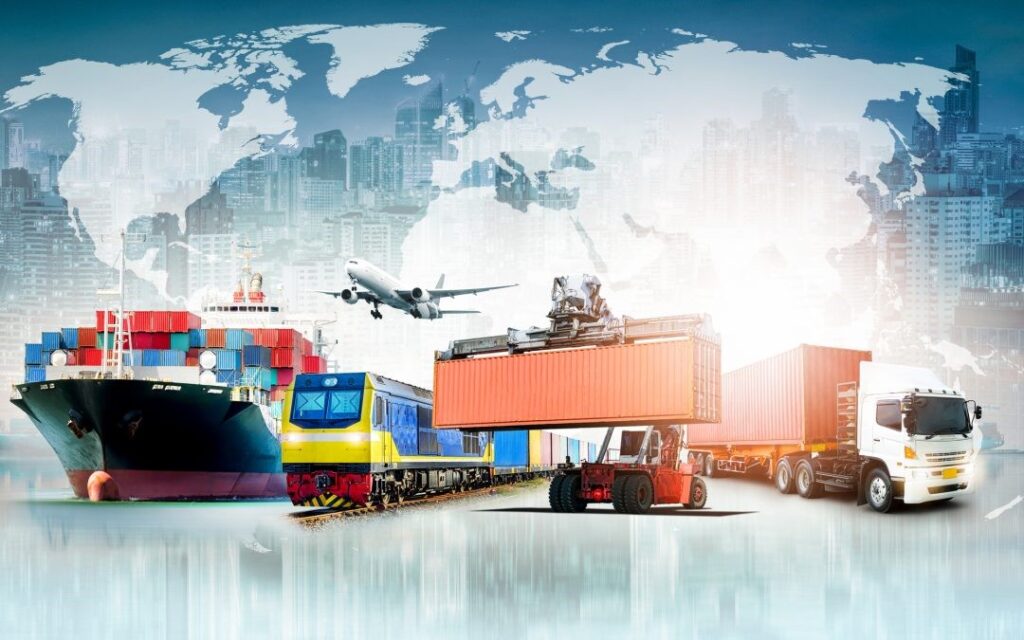
There’s something fascinating about the scale of a cross-country move. Unlike local moves, where everything might fit neatly into a single truck for a quick day’s work, interstate relocations are planned like a well-orchestrated route. Movers evaluate the size and weight of items, calculate travel distances, and coordinate timing so that everything arrives safely and on schedule. It’s not just about getting from point A to point B, it’s about navigating a system of roads, regulations, and timeframes that only experienced movers know how to handle. Each part of the journey, from the first load to the final delivery, requires the kind of coordination that only comes from industry expertise.

Long-distance moves often stretch over several days or even weeks, which adds another layer of complexity. That’s where organization and reliability become everything. Reputable interstate movers track shipments, plan ahead for weather or traffic conditions, and make sure items are stored securely during transit. There’s also the human side of the experience, clients trusting strangers to transport their entire lives across states. That trust isn’t built overnight, it’s earned through transparency, consistency, and care in every interaction. It’s what separates an average moving service from one that truly values its customers.
Beyond personal relocations, interstate movers also play a key role in helping businesses and organizations relocate. Whether it’s an office expansion, a new branch opening, or a full corporate move, professional movers keep transitions smooth so teams can stay focused on what matters most. They coordinate packing, labeling, transportation, and setup in a way that minimizes downtime. For companies on tight schedules, this level of precision makes all the difference. When every hour counts, the ability to depend on professionals who understand timing and efficiency turns a major challenge into a manageable process.
Choosing a team that values care and professionalism at every step ensures that a move doesn’t just happen, it unfolds with ease. The best moving company in Idaho knows how to handle distance without losing sight of the details that matter. They combine planning, communication, and skill to ensure belongings arrive safely and on time, while offering reassurance throughout the journey. Moving far is rarely simple, but it can be seamless when guided by the right hands. Every mile becomes a step closer to new beginnings, handled by people who make those transitions feel effortless.
…



































 His first missions took him to various European countries, notably in Romania, where he had to disguise himself as a rich emir of the Gulf to make the nightclub owner believe that he wanted to buy back the four lions that the latter held—and mistreated. Ally, with the police, finally manages to save the beasts. Much remains to be done in Europe, according to Amir Khalil: “The situation may have improved for humans, but not for animals: there are no more brown bears, and many wild animals have already. faded away.” Four Paws also continues to intervene in certain European countries.
 Dangerous missions, but Amir Khalil retains something else from these experiences. “When we find ourselves at a border, and we carry a large cage containing a lion, everyone puts their gun down and helps us carry. After that, they will continue to kill each other, but we see although wild animals help open the borders. ” The rescued animals are then transferred to several sanctuaries, notably in Jordan, South Africa, and the Netherlands.